
Raleigh Community Guide 2026:Discover Local Connections |
Looking to experience the true spirit of the Raleigh community in 2026? Beyond the headlines, Raleigh is a city where neighbors, culture, and unique spots bring people together every day. This guide is your key to the most dynamic parts of the Raleigh community. Discover neighborhoods with distinct character, welcoming community centers, vibrant events, and organizations that help you make lasting connections. Ready to explore, belong, and thrive? Dive in and let this guide lead you to the heart of Raleigh’s local scene. Raleigh’s Neighborhoods: Diversity and CharacterRaleigh’s neighborhoods are the heartbeat of city life in 2026. As the city continues to grow, each area brings its own history, energy, and opportunities for connection. The raleigh community thrives on diversity, with newcomers and long-time residents alike shaping the landscape.
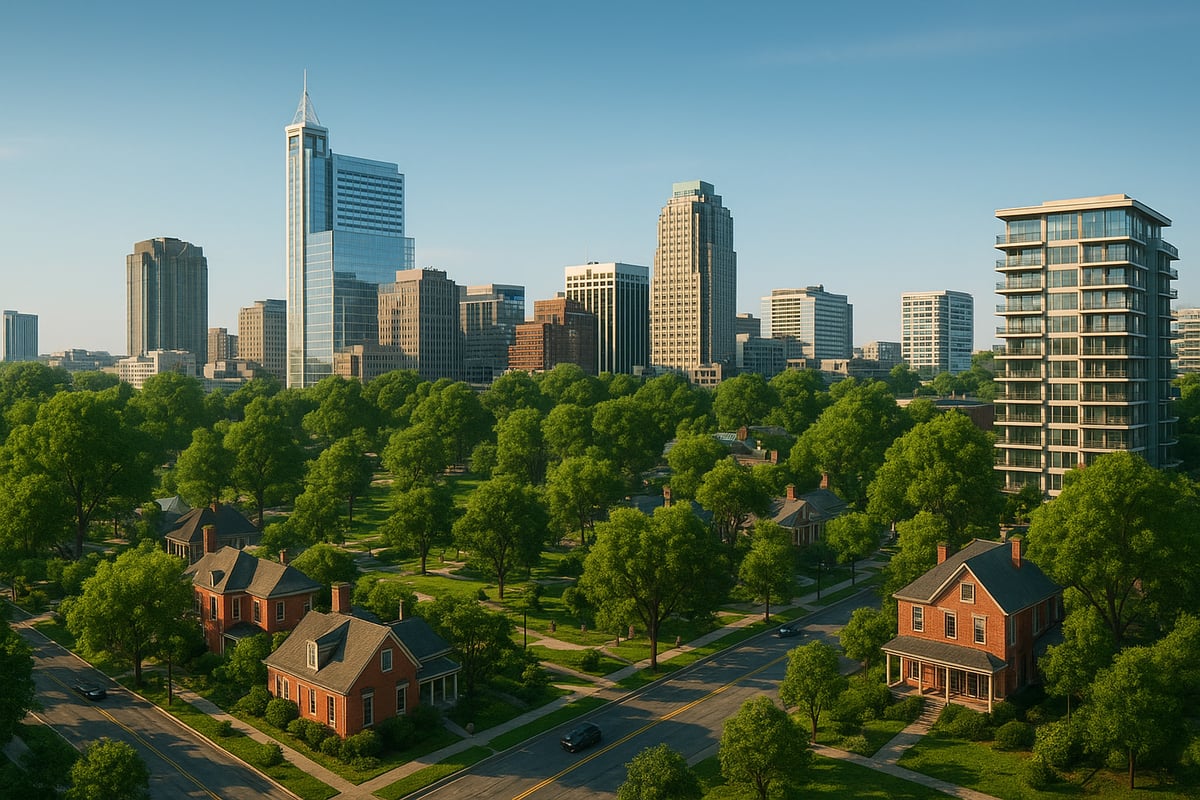
Overview of Raleigh’s Neighborhood LandscapeRaleigh’s transformation over the past decade is striking. Once a mid-sized Southern city, Raleigh is now a vibrant mosaic of neighborhoods, each with its own identity. The raleigh community includes historic enclaves like Oakwood, where tree-lined streets frame Victorian homes, and modern hubs like North Hills, known for upscale condos and lively retail.
Downtown Raleigh pulses with creativity and cultural events. The area’s art scene, local shops, and bustling nightlife attract both young professionals and families. In Five Points, charming bungalows and corner markets give the neighborhood a tight-knit feel, while Brier Creek offers master-planned amenities and convenient access to Research Triangle Park.
Recent years have seen a surge in new residents, with city data showing steady population growth. According to Raleigh's rapid growth and neighborhoods, this influx fuels both change and opportunity, as the Raleigh community adapts to new demands and celebrates its diversity.
Walkability is a hallmark in many areas, especially Downtown and Oakwood. Parks, playgrounds, and greenways connect residents to nature and each other. Landmarks like Pullen Park, the State Capitol, and neighborhood farmers' markets anchor community life. Housing options are as varied as the city itself. Craftsman bungalows, stately Victorians, and sleek apartment towers sit side by side. For example, Oakwood’s preserved homes draw history lovers, while Brier Creek’s new developments attract growing families with community pools and trails.
Neighborhood identity is powerful in Raleigh. Residents often participate in block parties, garden tours, and local volunteer projects. These traditions help the raleigh community build lasting bonds and create a true sense of place . Finding Your Fit: Choosing the Right CommunitySelecting the perfect Raleigh neighborhood starts with understanding your needs. Commute times, school quality, amenities, and local culture all matter. Many raleigh community members look for areas with active neighborhood associations, which organize events and advocate for local interests.
Safety, accessibility, and inclusivity are top priorities. Resident testimonials and neighborhood satisfaction scores can help newcomers make informed choices. Online forums and city data portals provide insights into demographics, real estate trends, and school ratings. For families, proximity to parks and excellent schools is key. Singles and young professionals may prioritize walkability, nightlife, and coworking spaces. Seniors often seek quiet streets and easy access to healthcare. Neighborhood guides are invaluable for those new to Raleigh. These resources highlight what makes each area unique, from Five Points’ annual block party to Oakwood’s garden tours. Many raleigh community newcomers find their place by attending neighborhood events, joining social media groups, or volunteering locally.
Events play a vital role in building relationships. Whether it’s a street festival, farmers market, or outdoor movie night, shared experiences help neighbors connect. Top-rated neighborhoods for newcomers include North Hills, Brier Creek, and Downtown, each offering a welcoming atmosphere and plenty of opportunities to get involved.
Community Centers: The Heart of Local EngagementRaleigh community centers are the backbone of local connection, offering spaces where neighbors gather, learn, and create memories. These hubs are essential for anyone looking to build roots in Raleigh, providing accessible facilities and programs that reflect the city’s vibrant spirit.
Raleigh’s Community Center NetworkThe Raleigh community center network has expanded significantly by 2026, mirroring the city’s growth and diversity. With over 30 centers citywide, each one offers unique amenities and programming tailored to the needs of its neighborhood.
Major centers include Abbotts Creek, Barwell Road, Biltmore Hills, and the newly renovated John Chavis Memorial Park. These facilities feature air-conditioned gyms, spacious meeting rooms, warming kitchens, dance studios, and multipurpose spaces for classes or gatherings. Many centers are ADA-compliant, ensuring everyone in the Raleigh community can participate fully.
Hours of operation vary, but most centers are open from early morning to late evening, accommodating busy schedules. Rental policies are straightforward: expect a $15 application fee, $100 refundable deposit, and hourly rates based on room size and amenities. For example, a family celebration might use a large event space, while a book club could reserve a smaller meeting room.
Neighborhood coverage is extensive, with centers in every major area. John Chavis Memorial Park stands out after its renovation, now drawing thousands of annual visitors and serving as a model for inclusive design. Annual data shows that over 100,000 Raleigh community residents participate in programs or events at these centers, highlighting their central role in local life.
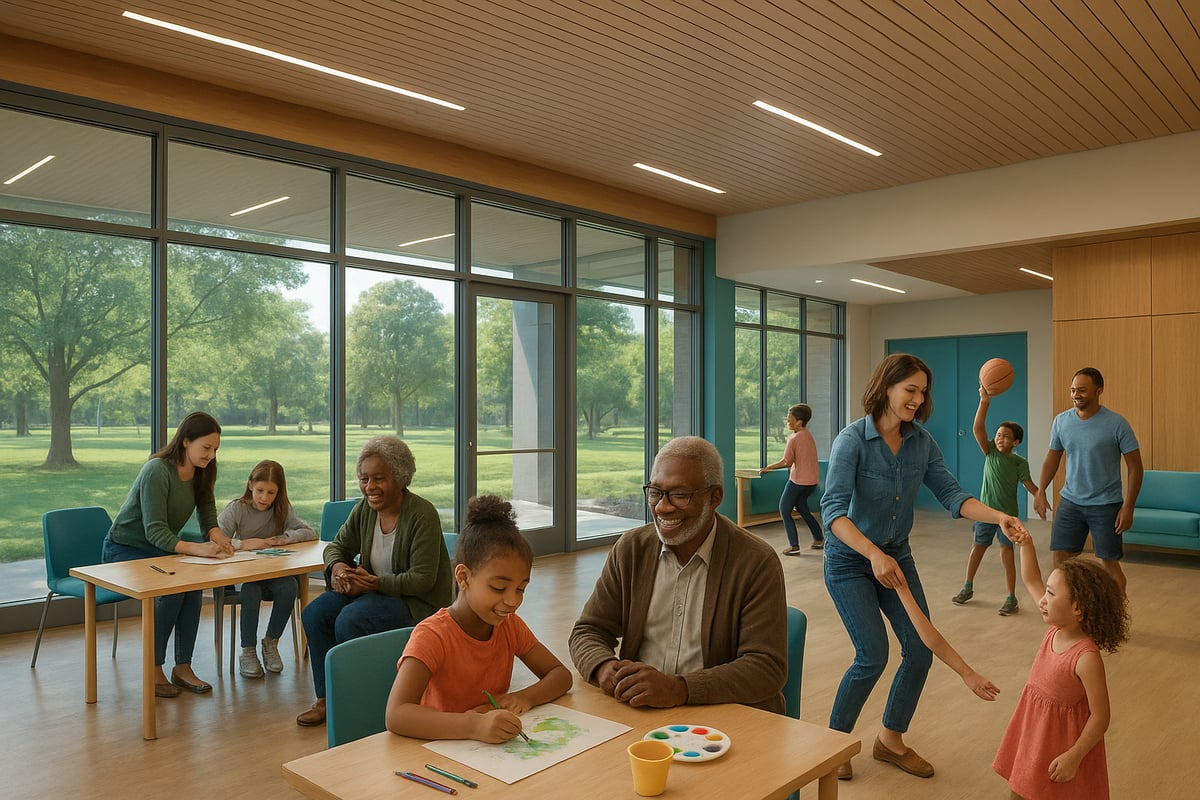
Programs, Services, and EventsRaleigh community centers are known for diverse programming that appeals to all ages and interests. Popular offerings include fitness classes, arts workshops, technology training, youth sports leagues, and senior socials. Family programs, like storytime and crafts, help newcomers feel at home in the Raleigh community.
Special events are a major draw, from seasonal festivals to cultural celebrations. Dance classes at Greystone and the historic carousel at John Chavis Memorial Park are just two examples of unique experiences on offer. Centers also host volunteer opportunities, allowing residents to give back as instructors, event helpers, or mentors.
Inclusivity is a priority, with multilingual programs and adaptive activities designed for all abilities. Rentals are available for birthday parties, meetings, and local group gatherings, making centers the go-to venue for community celebrations. Participation data reveals that fitness and arts classes consistently draw the largest crowds, while youth programs see high engagement year-round.
Residents are encouraged to propose new classes or events, ensuring the Raleigh community’s evolving interests are reflected in center offerings. This collaborative approach fosters a sense of ownership and belonging for all who participate.
How to Access and Utilize Community CentersGetting involved with a Raleigh community center is simple. Start by exploring the Raleigh Community Centers Directory, which lists all locations, amenities, and contact details.
Booking a rental can be done online through RecLink, in person, or by phone. Required documents typically include proof of residency and a signed rental agreement. Factor in setup and breakdown time when reserving a space. Standard policies cover damage deposits, overtime fees, and kitchen use, so review guidelines carefully before your event. Non-residents and newcomers are welcome at most centers, promoting an inclusive Raleigh community atmosphere. For example, planning a family reunion at Lake Lynn Community Center is straightforward—just select your date, submit the application, and confirm your booking. To find the right space for your needs, compare amenities, location, and availability. Friendly staff are available to answer questions, and online resources make it easy to stay informed about upcoming programs and events. Whether you are hosting a meeting or joining a class, Raleigh community centers make it easy to connect, belong, and thrive. Local Events & Festivals: Celebrating Raleigh TogetherRaleigh community events are the heartbeat of city life in 2026, uniting residents of all backgrounds for unforgettable experiences. Locals should care because these gatherings offer chances to connect, celebrate, and discover the best of Raleigh community spirit throughout the year.
Festivals, markets, and neighborhood celebrations happen year-round, drawing crowds from every corner of Raleigh community life. Whether you are new or a longtime resident, these events are your invitation to join the city's vibrant pulse.
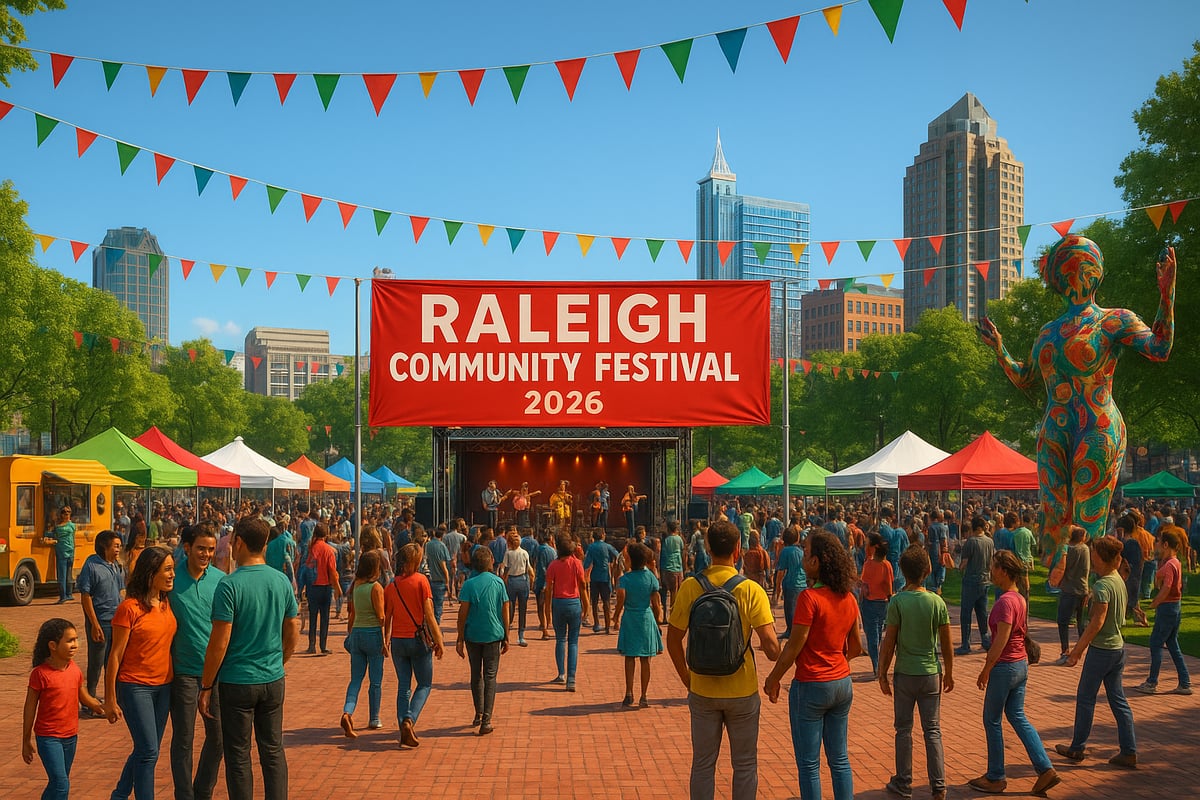
Signature Annual EventsRaleigh community shines brightest during its signature annual festivals. These cornerstone events draw thousands, showcasing the city’s creative energy, culinary variety, and inclusive spirit.
Need-to-Know:
Artsplosure transforms downtown into a living gallery with hundreds of visual artists, interactive workshops, and live music. The Hopscotch Music Festival brings nationally recognized bands and local acts to multiple stages, drawing music lovers citywide. Foodies flock to the International Food Festival, where Raleigh community chefs serve global flavors and host cooking demos.
Insider tip: Arrive early for the best parking and to catch opening performances. Many events feature local brews, pop-up shops, and hands-on art projects for all ages. Rain or shine, most festivals have contingency plans with covered tents or indoor venues.
For a full lineup, use the Raleigh events calendar highlights to plan your next adventure.
Mini-Itinerary: Neighborhood and Community-Driven GatheringsBeyond the big festivals, Raleigh community thrives on neighborhood-scale gatherings that bring residents even closer. These hyperlocal events are perfect for meeting neighbors, supporting small businesses, and immersing yourself in Raleigh community traditions. Popular options include block parties, outdoor movie nights, and bustling farmers markets like those in Five Points and North Hills. School fairs and youth sports tournaments animate weekends, while church picnics and garden tours add a personal touch.
How to Find and Join:
Local organizations, such as neighborhood associations, often organize these gatherings and welcome volunteers for planning or setup. Vendors and newcomers can get involved by reaching out to event organizers or signing up online. Example: Five Points’ annual block party features local bands, food trucks, and games for all ages, while Oakwood’s garden tours offer a tranquil way to connect with fellow plant lovers. These events foster lasting friendships and strengthen the bond of the Raleigh community.
Mini-Itinerary: Raleigh community events, large and small, are the gateway to building real connections and lifelong memories. Connecting Through Organizations & Volunteer OpportunitiesGetting involved in the Raleigh community means more than just living in the city. It is about finding purpose, building relationships, and making a positive impact. Whether you are passionate about social causes or eager to meet new friends, Raleigh offers a rich network of organizations and volunteer opportunities for everyone.
Local Nonprofits and Community OrganizationsRaleigh community organizations play a crucial role in supporting residents and addressing local needs. Nonprofits like Inter-Faith Food Shuttle, Habitat for Humanity, and Triangle Family Services provide food assistance, housing, and family support across the city. Many of these groups partner with schools, local businesses, and city government to maximize their impact.
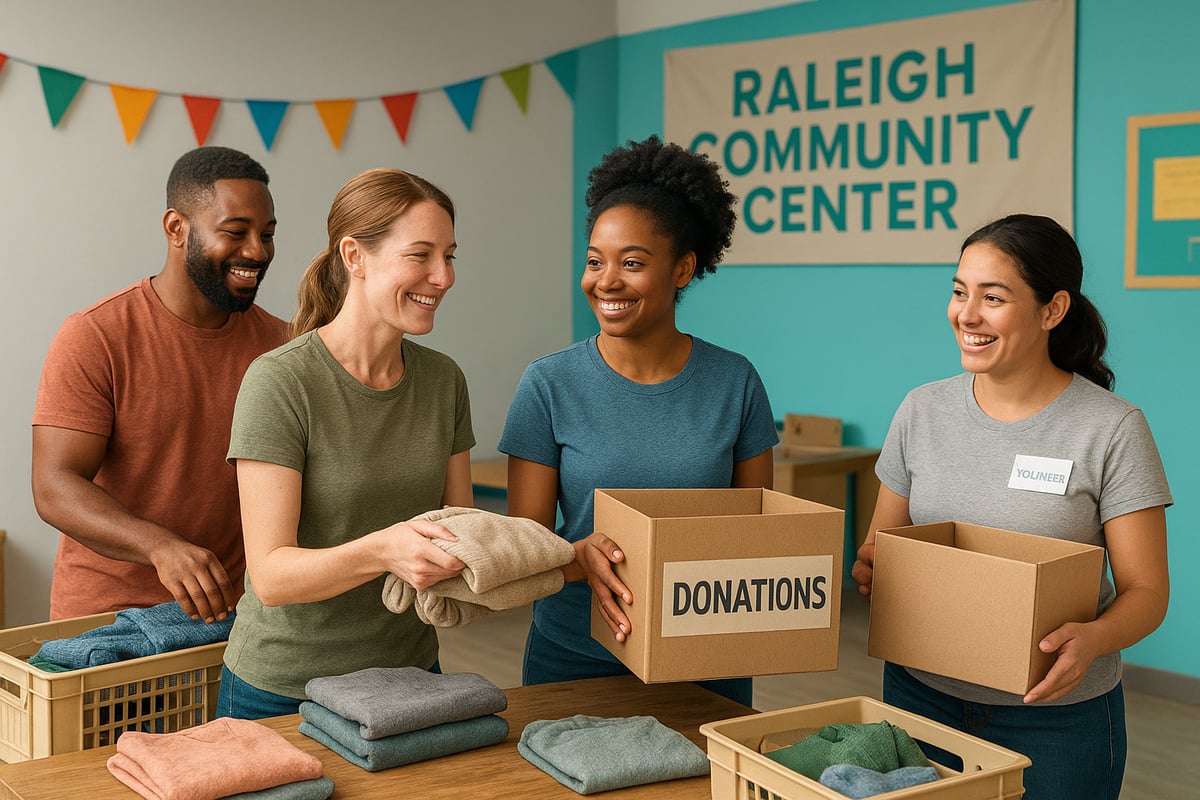
Residents can also find opportunities to volunteer at animal shelters, food banks, or youth outreach programs. For example, volunteering at a community event such as Community gatherings at Tarboro Road Center offers a chance to connect with neighbors while giving back. In 2026, the Raleigh community contributed thousands of volunteer hours, strengthening social ties and improving quality of life.
Choosing the right cause is important. Many organizations offer orientation sessions and flexible schedules, making it easy for newcomers to get started. Consider your interests, availability, and skills when selecting where to volunteer. By engaging with these groups, you help shape the Raleigh community and create lasting change.
Social Clubs, Interest Groups, and NetworkingBeyond nonprofits, the Raleigh community thrives on a variety of social clubs and networking opportunities. Book clubs, gardening societies, and running groups provide welcoming spaces for residents to share hobbies and make friends. Meetup, Facebook, and local bulletin boards are excellent resources for discovering these groups.
The Raleigh Runners Club, for instance, organizes weekly meetups that attract both newcomers and longtime residents. Professional networking events also help individuals build business connections within the Raleigh community. Inclusivity is central to many clubs, with groups specifically for newcomers, multicultural communities, and LGBTQ+ residents.
Starting your own club is encouraged, and city resources can guide you through the process. Participating in these groups not only expands your social circle but also fosters a sense of belonging. With hundreds of active organizations and high member participation, Raleigh community life is vibrant and accessible for everyone.
Insider Tips for Building Local ConnectionsForging strong bonds in the Raleigh community goes beyond simply attending events. Whether you are new to Raleigh or a longtime resident, there are practical ways to make genuine connections and feel at home. Here are actionable tips and digital strategies to help you thrive in the raleigh community.
Making the Most of Raleigh’s Community ResourcesStart with a simple smile and introduction. Raleigh community members often appreciate a friendly hello, whether you are at a neighborhood event or just out for a walk. Attend open houses at your local community center or join a book club at the library. These settings offer natural opportunities to meet others and learn about the raleigh community’s unique traditions.
Explore the many programs offered by Raleigh Parks, including health and wellness classes, cultural events, and family-friendly activities. You can find a range of options that suit every age and interest by checking out the Raleigh Parks Health & Wellness Programs. Participating in these programs allows you to connect with neighbors and build lasting relationships.
When attending local gatherings, observe community etiquette: be punctual, respect group norms, and offer to help with setup or cleanup. If you are a newcomer, share your story and ask others about their favorite neighborhood spots. Many raleigh community members find that volunteering for a local event or joining a planning committee quickly leads to new friendships.
For families, singles, and seniors alike, neighborhood block parties, seasonal festivals, and city council meetings provide welcoming spaces to engage. Stories from recent arrivals show that taking the first step—whether by attending a garden tour or joining a fitness class—often leads to meaningful connections and a sense of belonging in the raleigh community.
Navigating Raleigh’s Digital Community SpacesDigital platforms are essential for staying connected in the raleigh community. Join neighborhood forums like Nextdoor, popular Facebook groups, or local subreddits to keep up with news, events, and recommendations. These platforms make it easy to discover interest-based groups, from gardening enthusiasts to social running clubs, and to organize meetups or cleanups.
Social media also helps you stay informed about upcoming events and important announcements. Local organizations and businesses use digital channels to share volunteer opportunities, promote events, and gather feedback from the raleigh community. For instance, many successful neighborhood cleanups and block parties start with a single post or poll in a community group.
When engaging online, follow best practices for safety: protect your privacy, avoid sharing sensitive details, and report suspicious activity. Positive engagement and respectful communication go a long way in building trust and expanding your network in the raleigh community. As digital and hybrid events become more common, expect even more ways to participate, collaborate, and share your voice. Explore city-run tools and online calendars to find new groups or troubleshoot issues. With each interaction, you add your unique perspective to the raleigh community and help shape its future.
Resources Directory: Essential Contacts & ToolsFinding your place in the Raleigh community starts with knowing where to turn for support, connection, and local expertise. This resource directory is designed to help you navigate the city’s most essential contacts, tools, and public spaces, whether you are new to Raleigh or seeking deeper ties.
Community Center DirectoryRaleigh community centers are the heart of local life. They offer gathering spaces, programs, and resources to help every resident feel at home. Use this quick-reference table to find the center that best fits your needs:
To find the closest center, use the city’s Park Locator tool or visit the Raleigh Parks website for a full map and details. Most centers offer air-conditioned gyms, ADA-compliant facilities, and flexible rental options. Many newcomers rely on these spaces as their first introduction to the Raleigh community, especially for after-school programs and family gatherings.
If you need more information, every center has staff ready to assist with bookings and program details. Check official city pages for up-to-date hours, policies, and unique amenities at each location.
Additional Local ResourcesA vibrant Raleigh community depends on seamless access to citywide services and information. Here’s a roundup of key resources every resident should know:
Need support? Social advancement resources, housing assistance, and family services are available through city and nonprofit partners. Raleigh community organizations also staff hotlines and walk-in centers to help with urgent needs.
For first-time visitors, it’s wise to call ahead before stopping by a center or office. This ensures you have the right documents and up-to-date information. With these resources, every Raleigh community member can access the support and connections they need to thrive.
|